10 Basics About Bunks You Didn't Learn At School
Bunks: The Versatile Space-Saving Solution for Modern Living
In today's fast-paced world, where urban home are diminishing and the need for flexibility and usefulness is increasing, bunks have become a popular solution. Bunks are not simply a kind of bed; they represent an advanced approach to maximizing space, promoting social interaction, and supplying comfortable sleeping arrangements. This post will check out the different kinds of bunks readily available, their advantages, and how they can change both small and big home.
Understanding Bunks: What Are They?
Bunks, typically referred to as bunk beds, are 2 or more beds stacked on top of each other. They are created to save floor space, making them ideal for kids's rooms, hostels, and even adult living circumstances. Bunk beds are available in various designs and setups, from traditional designs to contemporary, designer analyses.
Kinds of Bunks
Type of Bunk
Description
Twin-over-Twin
2 twin beds stacked on top of each other. Ideal for kids sharing a room.
Twin-over-Full
A twin bed on top and a larger complete bed on the bottom. Great for accommodating visitors.
Full-over-Full
Two full-sized beds stacked together. Perfect for older children or adults.
L-Shaped Bunk Bed
Beds are arranged in an L shape, enabling a corner positioning and added space beneath.
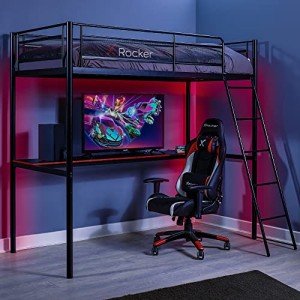
Loft Beds
Only the top bunk exists, leaving space for a desk, couch, or storage beneath.
Triple Bunk Beds
Three beds stacked vertically, excellent for making the most of vertical space.
Advantages of Using Bunks
Space Efficiency: Bunks are created to utilize vertical space, making them perfect for small bedrooms or homes where floor space is restricted.
Cost-efficient: Investing in a bunk bed can be more economical than acquiring several separate beds, particularly for growing households or those with regular visitors.
Flexible Designs: Many bunks come with add-ons, such as desks, storage drawers, or futons, permitting flexible use of the location.
Social Interaction: Bunk beds invite camaraderie amongst brother or sisters and pals, cultivating a sense of connection.
Creative Use of Space: Bunk beds motivate creativity in space design, permitting lively themes and vibrant decoration that can make a bedroom feel distinct and inviting.
Practical Considerations
Height Limitations: When picking a bunk bed, it is important to think about the height of the ceiling in the room. Procedure the space to guarantee there is adequate clearance above the leading bunk for security and convenience.
Weight Restrictions: Each bunk has a specific weight limit. Parents should evaluate the weight of those utilizing it, particularly when it comes to adults or heavier adolescents sharing the bed.
Security Features: Features such as guardrails, sturdy ladders, and security accreditations are vital for guaranteeing the bunk bed's safety, particularly for younger users.
Bunks for Various Living Situations
Household Homes
In household homes, bunks provide a useful option for brother or sisters sharing a space or accommodating slumber parties. Bunk beds can be stylishly integrated into a child's space while providing sufficient room for play.
Hostels and Vacation Rentals
For hostels and trip rentals, bunk beds make the most of sleeping plans without jeopardizing convenience. Such setups use a cost-effective way to accommodate a larger variety of visitors.
College Dormitories
In college dormitories, bunks assist take advantage of the restricted square video available, permitting more space to interact socially and study.
Studio apartments
In little city homes, lofted bunk beds develop extra space for living locations, work spaces, or storage, making life more manageable in compact environments.
Maintenance and Care of Bunks
Maintaining a bunk bed is essential for guaranteeing its durability. Here are a couple of tips:
Regular Inspections: Check for any loose screws or bolts and tighten them as required.
Tidiness: Dust and tidy the bunks routinely to prevent allergens and guarantee a tidy sleeping environment.
Mattress Care: Use a quality bed mattress protector to maintain health and extend the life of the mattress.
Age Appropriateness: Upgrade to a larger, more strong bunk as children grow or when the existing arrangement no longer fulfills the requirements of its residents.
Often Asked Questions (FAQs)
1. Are bunk beds safe for kids?
Yes, bunk beds can be safe for kids if they are built with safety functions like guardrails and a steady ladder. Constantly monitor younger children when they are using bunk beds.
2. What age is appropriate for a child to sleep on the top bunk?
A lot of producers recommend that kids under the age of 6 must not sleep on the upper bunk due to safety concerns.
3. How much weight can bunk beds usually hold?
Weight capacities differ based on the design and materials but generally range from 200 to 400 pounds. Constantly check the producer's guidelines.
4. Can bunk beds be separated into two single beds?
Lots of bunk beds are developed to be convertible, enabling them to be separated into two private beds. It's important to check the item specifications before buying.
5. What Good Bunk Beds renaldolandini.top of bed mattress is best for a bunk bed?
A medium-firm mattress is typically suggested as it provides sufficient support without being too heavy or soft, which can present security concerns.
Bunks are more than just beds. They are innovative space-saving services that accommodate the requirements of contemporary living. With various styles offered, they provide convenience and functionality for families, visitors, and people alike. By focusing on safety and upkeep, owners can make sure that their bunk beds become a treasured part of their living areas for several years to come. Whether for lively kids or accommodating guests, bunk beds use an elegant and useful service to the difficulty of restricted space.